News Desk
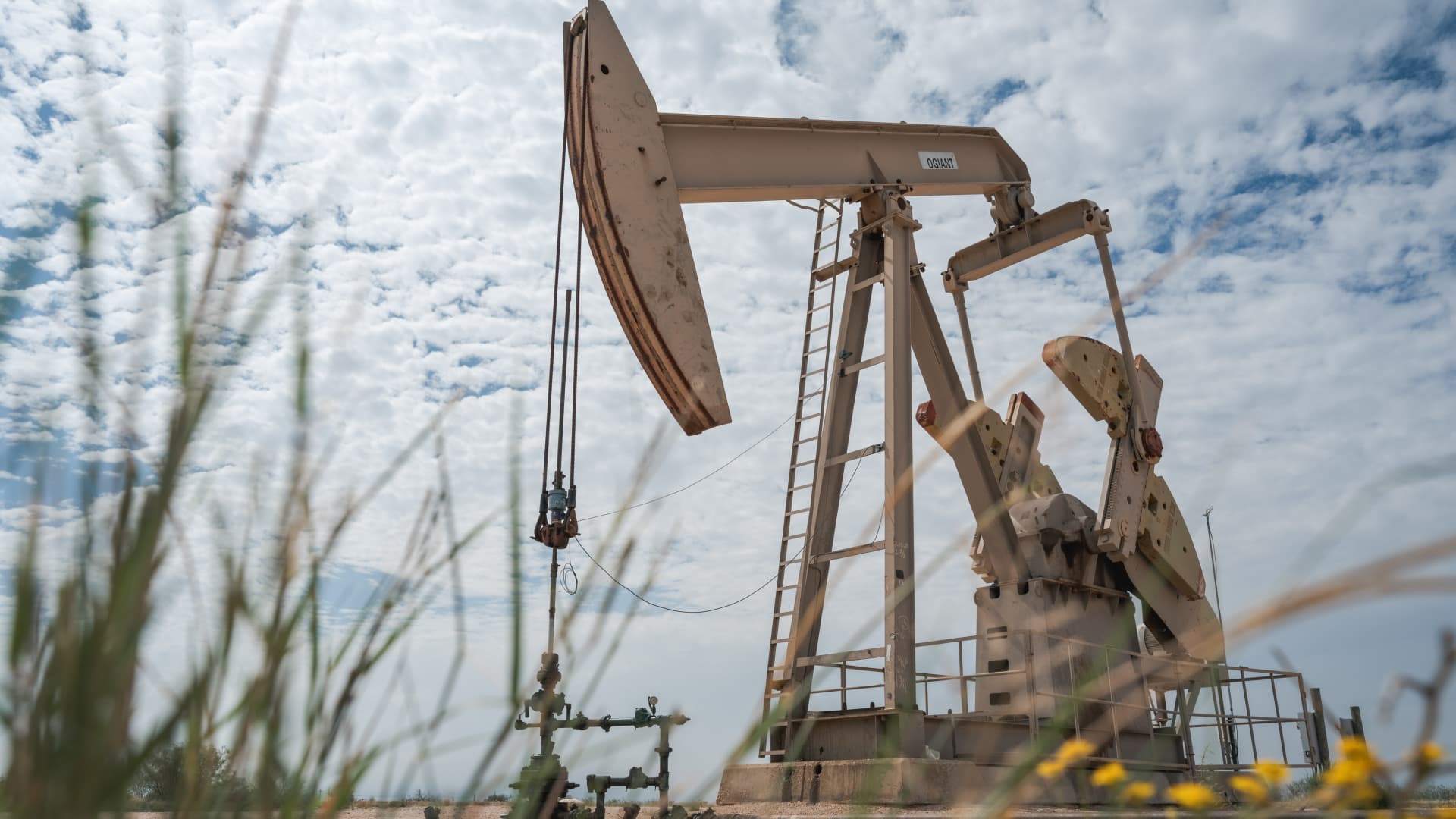
A pumpjack operates outside of Midland, Texas, US, on Thursday, Oct. 15, 2026. Eli Hartman | Bloomberg | Getty Images Oil prices climbed Wednesday as investors weighed the prospect of a prolonged and widening Middle East conflict after Tehran-backed Houthis attacked Saudi Arabia's largest refinery. International benchmark Brent crude futures rose $1.50, or 1.32%, to $115.59 per barrel, while U.S.
West Texas Intermediate crude futures gained $1.47, or 1.47%, to $101.37 per barrel. The Houthis said on Tuesday they had attacked Saudi Arabia's Ras Tanura refinery with a ballistic missile, raising worries of an escalation in the regional conflict. Trump, meanwhile, said that the war with Iran would end on his terms , while insisting that Tehran must be prevented from acquiring nuclear weapons.
Speaking at a campaign rally in Texas on Tuesday, Trump said the conflict could be brought to a swift conclusion but stressed that any agreement must ensure Iran would never possess a nuclear weapon. Stock Chart IconStock chart icon Oil prices since the start of the year His remarks followed earlier comments that he was weighing whether to reach a deal with Tehran or pursue further military action, keeping investors on edge over the possibility of renewed strikes. Concerns over disruptions to oil flows have kept a geopolitical risk premium embedded in crude prices, with traders closely monitoring developments in the region.
Adding to the uncertainty, Israel's election appeared headed for a political stalemate, with neither Prime Minister Benjamin Netanyahu nor his main challenger, Gadi Eisenkot, securing a clear path to a governing majority. Preliminary exit polls showed the rival blocs falling short of the 61 seats required to control Israel's 120-member parliament, raising the prospect of protracted coalition negotiations and clouding the outlook for Israel's approach toward Iran.
Source: CNBC