News Desk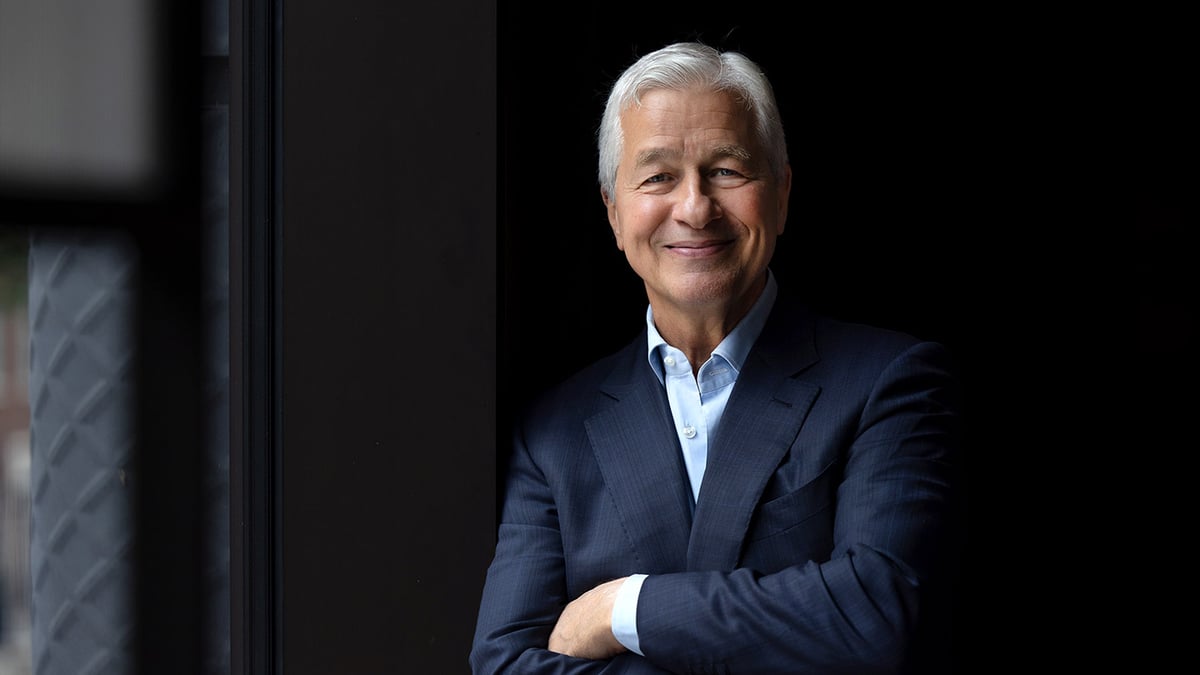
JPMorgan Chase (JPM) is one of the world's largest financial institutions, led by Jamie Dimon since January 1, 2006, and as chairman since 2007. He steered the company through the Great Recession and oversaw significant growth afterward. This has earned him high marks from Wall Street. However, concerns arise about his eventual succession, as his leadership is now a key factor in JPMorgan's elevated valuation nearing $1 trillion.
During the 2007–2009 recession, most large U.S. banks faced severe losses, but JPMorgan Chase cut its dividend during the downturn and quickly resumed growth. Its stock now trades at a premium, with a price-to-earnings ratio of 15.5x (vs. a five-year average of 11.5x) and a price-to-book ratio of 2.7x (vs. a longer-term average of 1.8x). This valuation contrasts sharply with peers, which have P/E ratios of 11.6x and P/B ratios of 1.3x.
Jamie Dimon’s prominence as CEO has drawn intense investor attention, especially when he warns about market risks. His leadership has justified the premium, but as he approaches 70, concerns grow about his successor’s ability to fill his shoes. Investors trust Dimon deeply, but without proven management by his replacement, the risk of a valuation correction—especially in a recession—could be substantial.
JPMorgan Chase is an advertising partner of Motley Fool Money. Reuben Gregg Brewer has no position in JPMorgan Chase, though the Motley Fool holds shares in the company.
Source: The Motley Fool